

SLOW FOOD: THE PRESIDIUM CENTURIES-OLD OLIVE TREES
The Slow Food Presidium of Villa Cavalletti’s ancient olive trees represents a significant example of active protection of the historic agricultural landscape of the Castelli Romani, combining quality production, sustainability and cultural enhancement of the area. Included in the national Slow Food Presidia project, it was created with the aim of safeguarding ancient olive groves, now threatened by intensive production models and loss of biodiversity, promoting instead traditional and environmentally friendly agricultural practices.
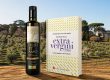
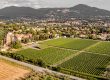
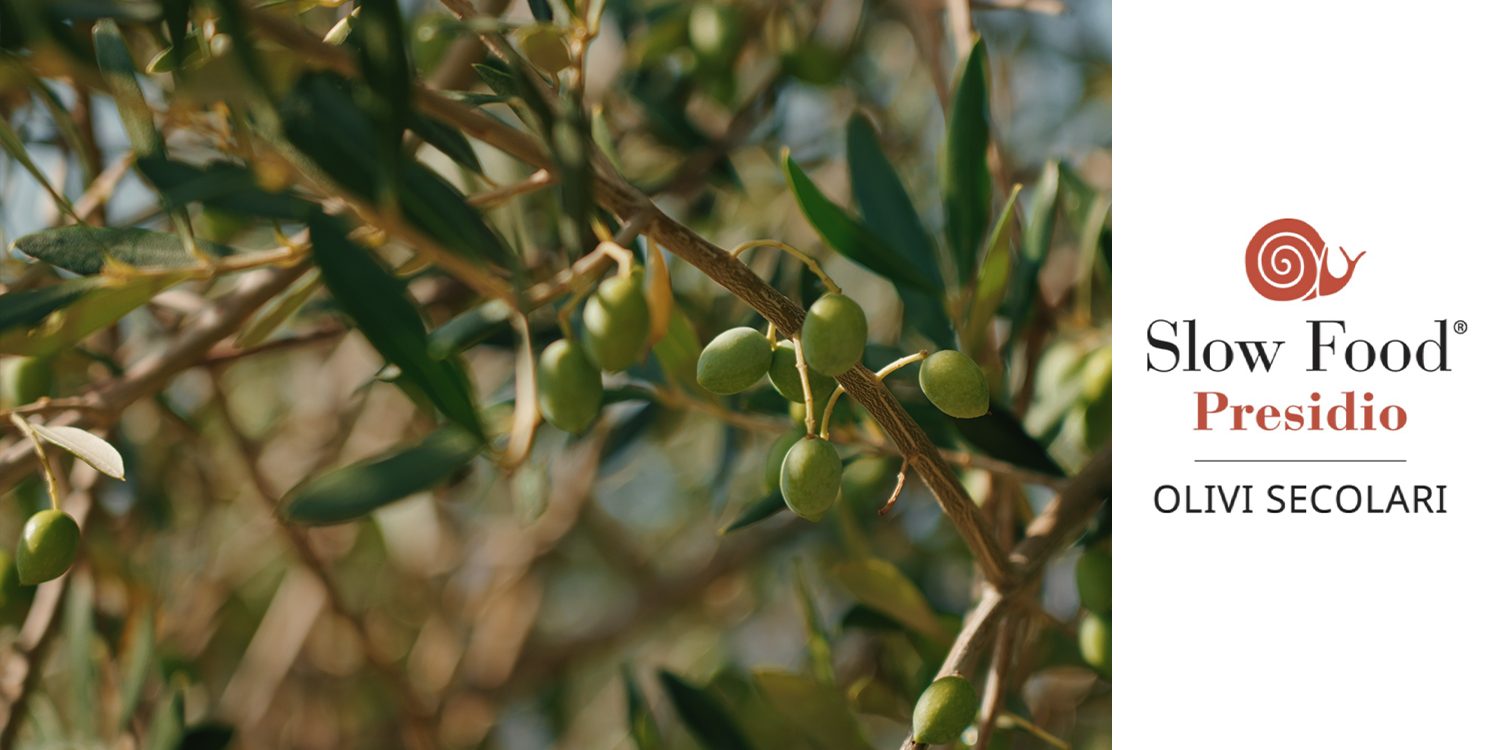
Villa Cavalletti’s olive grove extends within the 27-hectare estate and has about 5,000 centuries-old trees. Varieties typical of the area are grown according to certified organic methods. Harvesting takes place at the beginning of veraison, when the olives are still green, and the oil is cold-pressed, guaranteeing a product rich in polyphenols, which are responsible for the characteristic fruity and pungent aroma, as well as antioxidant and health-promoting properties.
Villa Cavalletti is part of the Slow Food Olivi Secolari project, a symbol of the enhancement of both the product and the territory.
The presidium is based on an organic and sustainable production model: no synthetic chemical fertilizers or herbicides are used, while agronomic techniques aim to conserve the soil and reduce environmental impact. Harvesting is done manually, preserving the integrity of the fruit and ensuring high quality standards of the extra virgin oil produced.
In addition to the production dimension, the presidium takes on a cultural and educational role, becoming part of oleotourism practices: guided tours, sensory trails and popular activities allow visitors to learn about the oil chain and the value of the olive civilization. In this way, Villa Cavalletti becomes a meeting place between agriculture, education and sustainable tourism, contributing to local economic development and the transmission of traditional knowledge.
The Slow Food Presidium of Secular Olive Trees is thus configured as a presidium not only for agriculture but also for culture and landscape, capable of preserving a millennia-old heritage and reinterpreting it in a contemporary key, strengthening the link between territory, community and food quality.